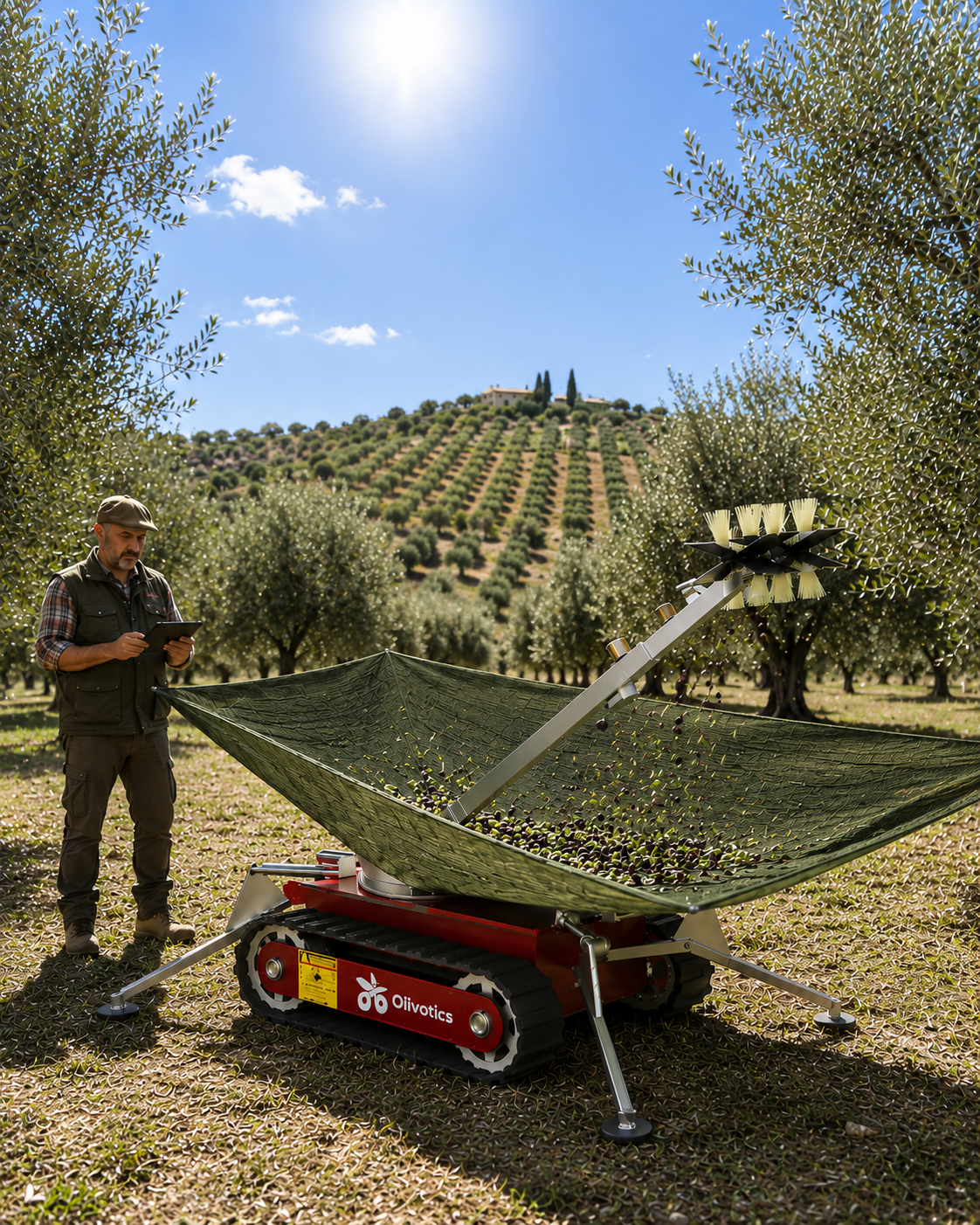
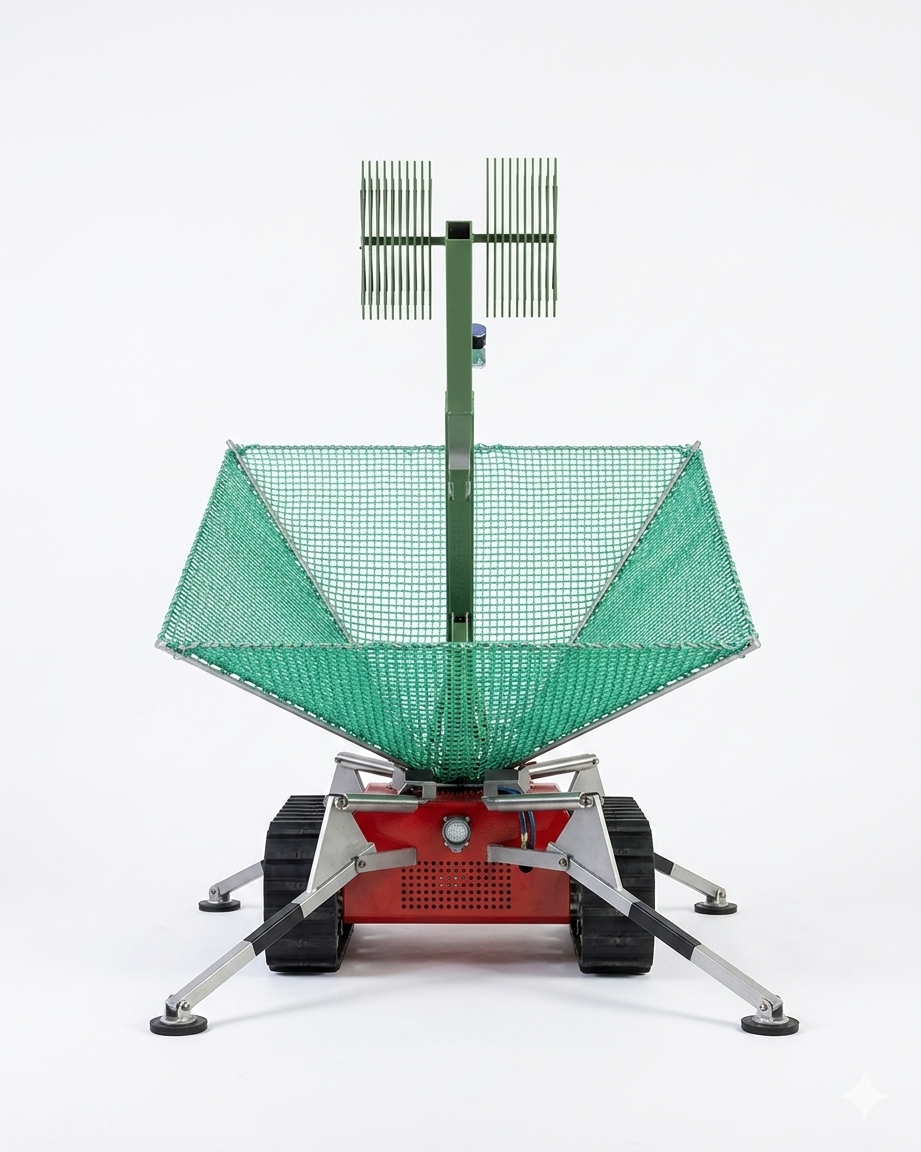
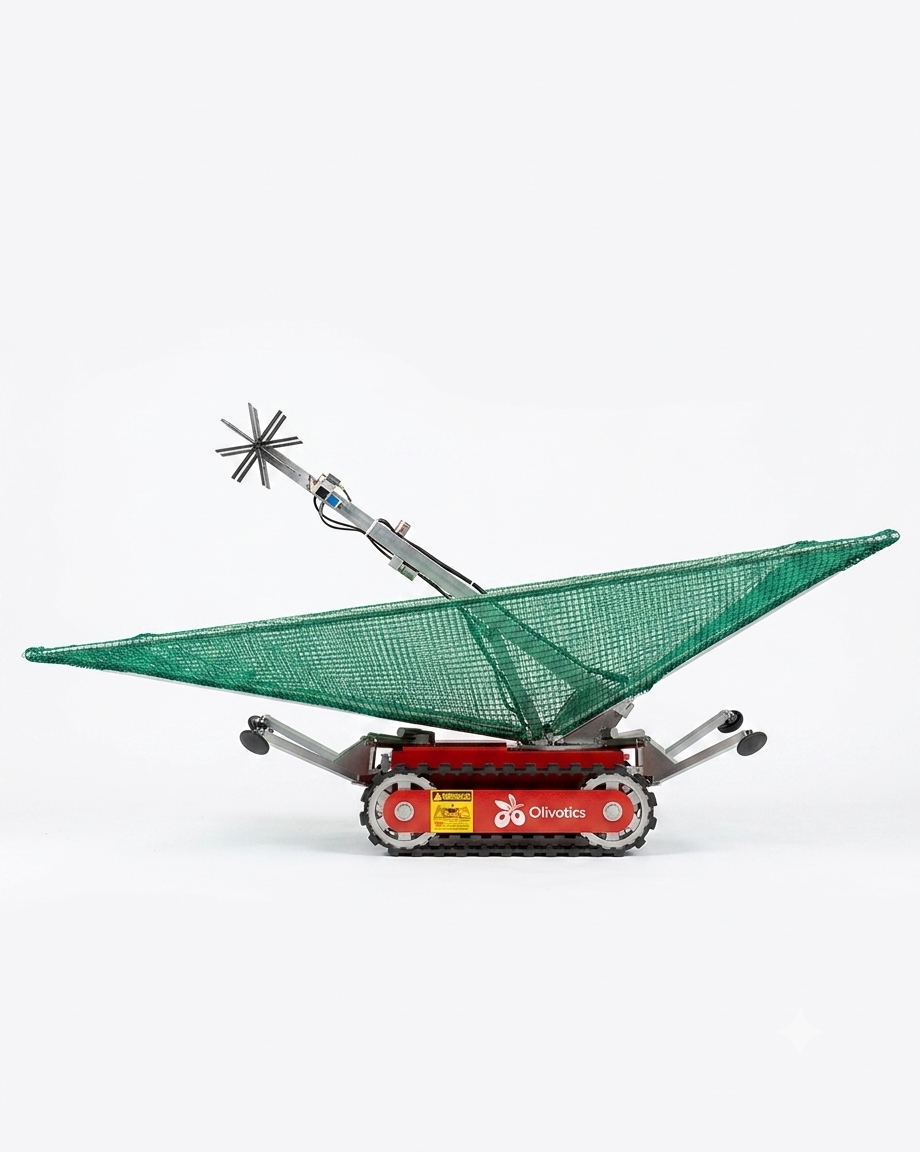
Olivotics builds semi-autonomous robots for traditional olive farms. One operator. No extra labour. Designed for the terrain machines left behind.
Across Italy, Greece, Spain, and beyond — ageing farmers, rural depopulation, and unreliable seasonal labour are pushing generations-old groves toward abandonment.
The average European olive farmer is over 60. Young people are leaving rural areas and not returning.
34% of farms report critical labour shortages during harvest. Coordinating seasonal workers is increasingly unreliable.
Industrial harvesters need flat, wide rows. Traditional groves — on slopes, with old trees, in tight spaces — are off-limits for them.
When labour is scarce and expensive, many farms simply don't harvest. The olives rot. Fields get abandoned.
"Finding workers for harvest is becoming impossible."— Olive producer, Abruzzo, Italy
olive farms across Europe
harvested manually today
face critical labour shortage
affordable autonomous solution exists today
We didn't reinvent harvesting — we automated it. The shaker-and-net method already works. Olivotics removes the human effort from it.
Moves autonomously between olive rows using onboard sensors and AI navigation.
Aligns the collection net precisely under the tree canopy.
The arm vibrates branches gently — no damage to the tree, maximum yield.
Olives fall directly onto the net below. No manual raking required.
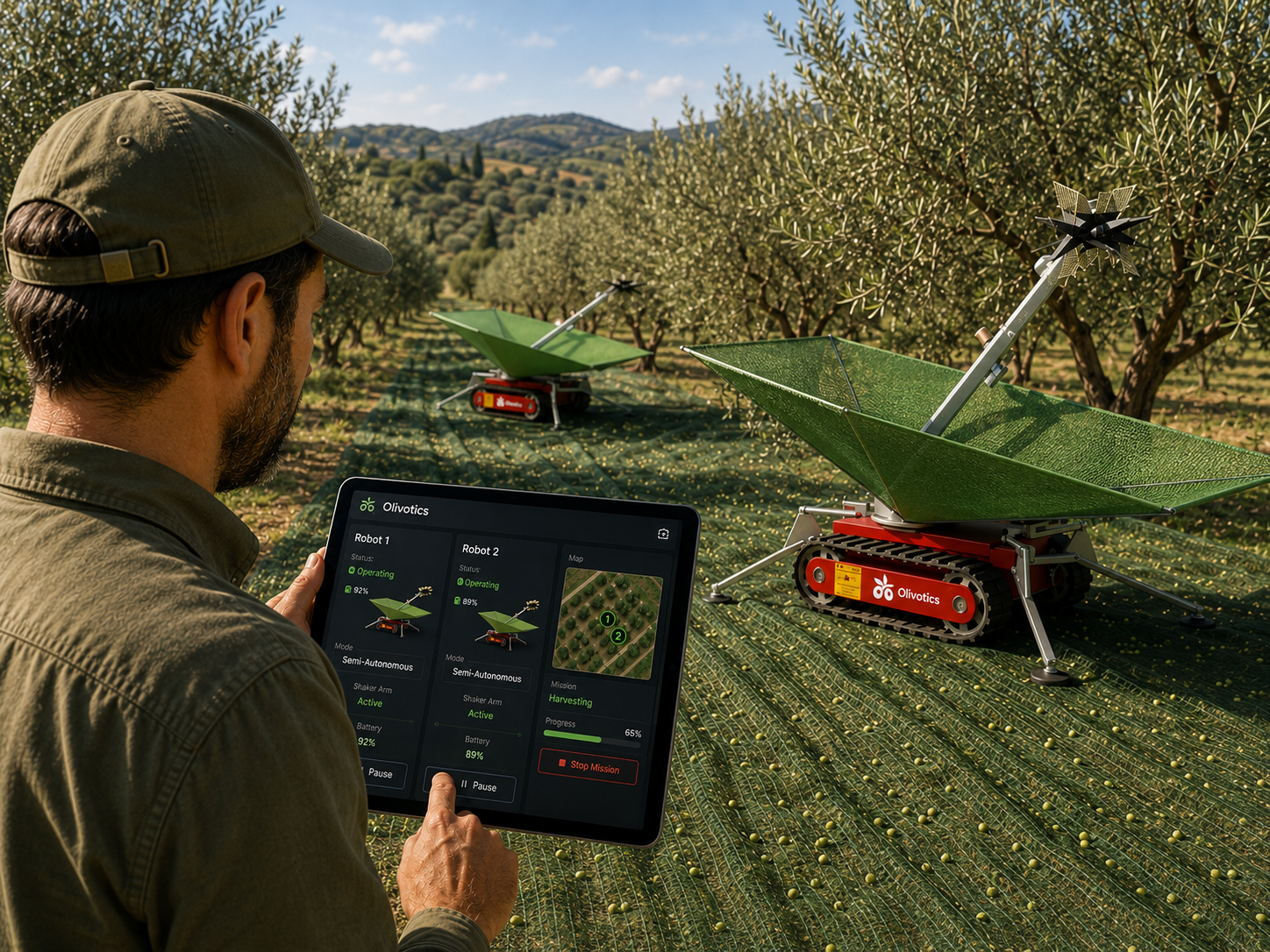
Drives itself to the next tree while the operator monitors the whole grove.
One operator can supervise multiple robots simultaneously. The labour bottleneck disappears entirely.
Compact enough to transport in a standard vehicle. Powerful enough to replace a full harvesting crew. Priced within reach of real farms.
We didn't read about the labour problem in a report. We experienced it firsthand harvesting olives in Italy.
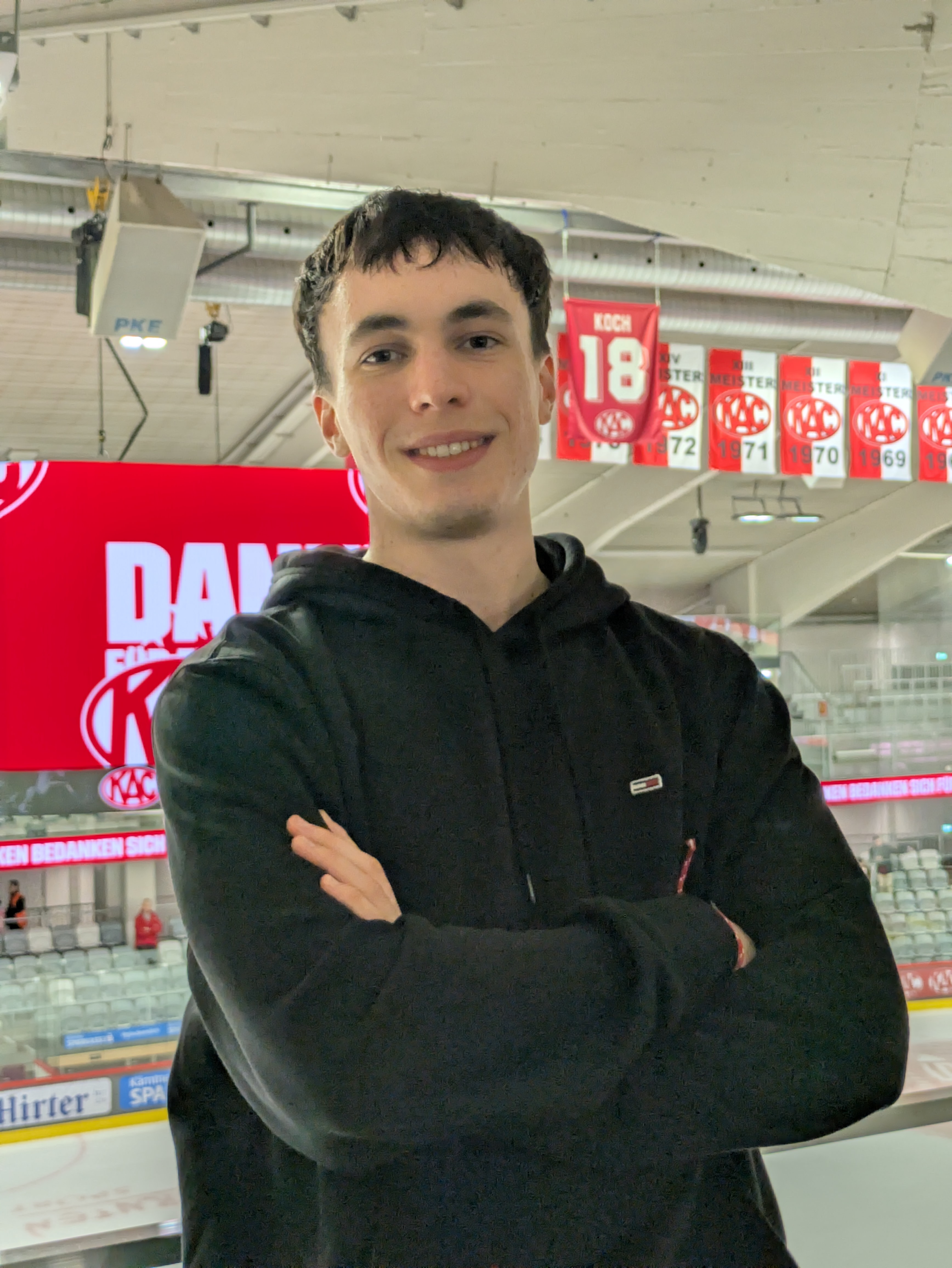
Robotics & AI, University of Klagenfurt. ROS, CAD, programming. Olive harvesting experience firsthand.
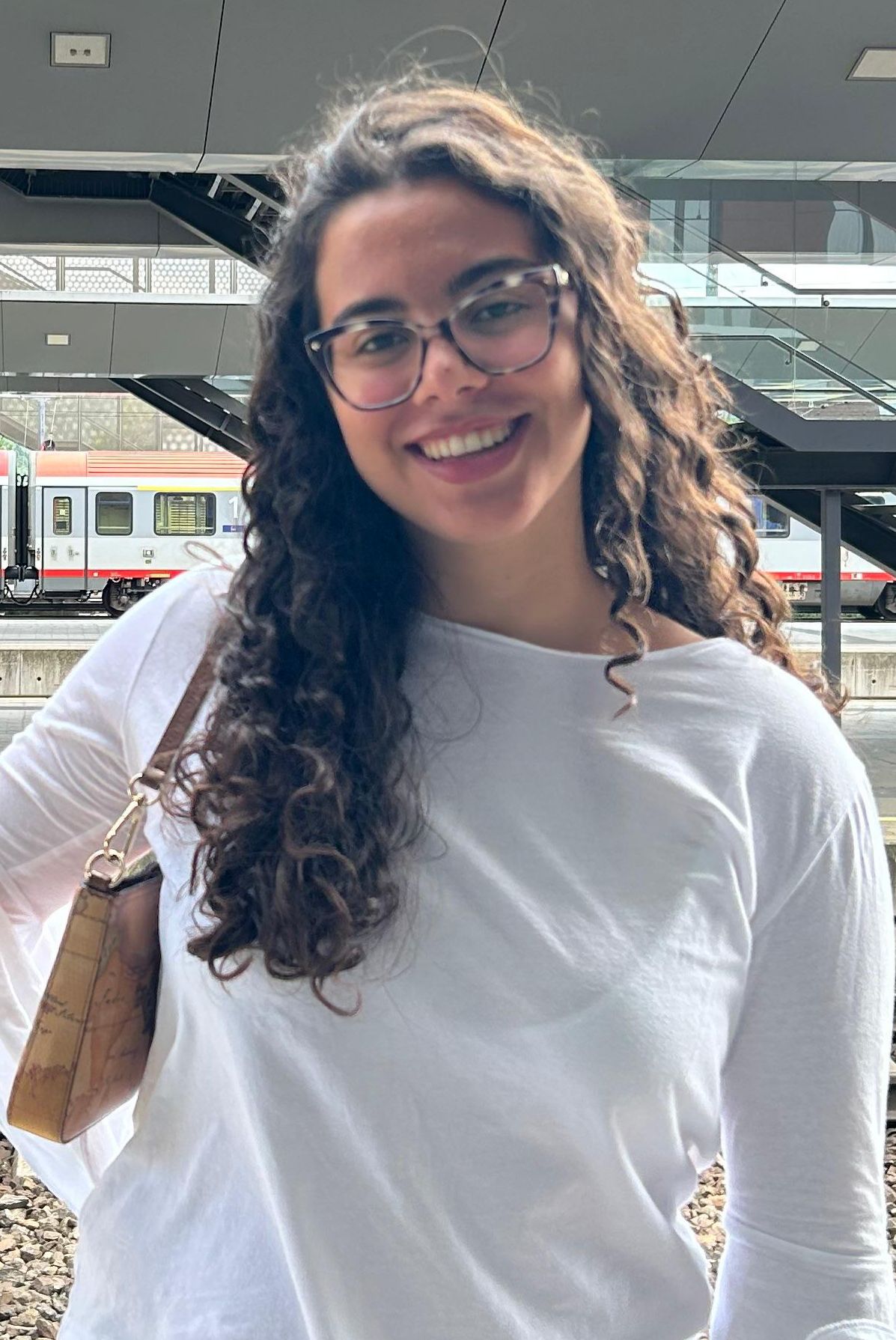
Robotics & AI, University of Klagenfurt. Speaks 4 languages. Mediterranean market access.
We're open to pilot partnerships, farm cooperatives, research collaborations, and distribution opportunities across the Mediterranean and beyond.